close
Choose Your Site
Global
Social Media
Views: 0 Author: Site Editor Publish Time: 2025-05-20 Origin: Site


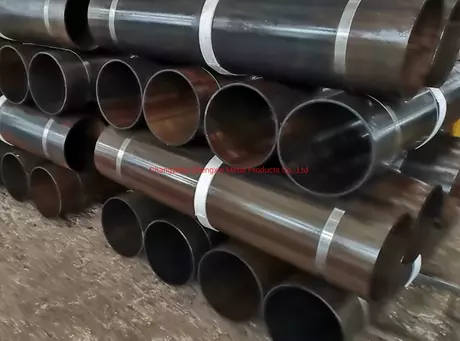
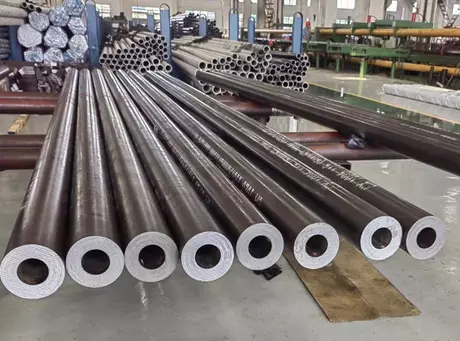
# Seamless Steel Tube for Hydraulic Cylinder
The production and application of seamless steel tubes in hydraulic cylinders represent a pinnacle of precision and durability in metal manufacturing. As a seasoned expert in this domain, I am pleased to provide a comprehensive exploration of the processes, standards, and innovations that underpin the manufacture of these essential components.
Seamless steel tubes serve as the backbone of hydraulic cylinders, performing critical roles that demand impeccable strength and flawless performance. These tubes, devoid of weld seams, offer superior resistance to pressure and fatigue, making them indispensable in applications where reliability and efficiency are paramount.
The term "seamless" refers to tubes manufactured without a welded seam, utilizing a billet that is pierced and rolled to the desired dimensions. This method results in a homogeneous structure with uniform mechanical properties throughout the tube's length. The absence of a welded seam eliminates potential weak points, thereby enhancing the tube's ability to withstand high pressures and dynamic loads.
Hydraulic cylinders convert fluid pressure into linear motion, and seamless steel tubes form the cylinder body, which houses the piston and other components. The integrity of the cylinder body is vital as it must maintain its structural integrity under varying pressure conditions. The tubes' smooth internal surface also minimizes friction and wear, contributing to the system's longevity and efficiency.
The production of seamless steel tubes for hydraulic cylinders is a complex and highly controlled process that requires meticulous attention to detail at every stage.
The journey begins with the selection of high-grade steel, typically alloyed with elements such as chromium, molybdenum, and nickel to enhance strength and corrosion resistance. The chemical composition of the steel is crucial in determining the tube's mechanical properties and its suitability for specific applications.
The initial phase of manufacturing involves piercing a solid billet to create a hollow tube. This is achieved through a rotary piercing mill, which imparts a preliminary shape to the tube. Following piercing, the tube undergoes a series of rolling processes, including elongation and sizing, which refine its dimensions and surface finish.
Upon completion of the rolling process, the tubes are subjected to heat treatment procedures such as annealing or quenching and tempering. These treatments enhance the mechanical properties of the steel, ensuring the tubes can withstand the demanding conditions of hydraulic systems.
Quality control is an integral component of the manufacturing process, with rigorous inspections conducted to verify dimensions, surface quality, and mechanical properties. Non-destructive testing methods, such as ultrasonic and eddy current testing, are employed to detect any internal or surface defects.
In today's competitive market, the ability to offer customized solutions is a distinguishing factor for manufacturers of seamless steel tubes. The customization process encompasses modifications in dimensions, material composition, and surface treatments to meet specific client requirements.
Surface treatments such as phosphating, nitriding, or hard chrome plating are commonly applied to enhance wear resistance and corrosion protection. These treatments extend the service life of the tubes and improve their performance in harsh environments.
Manufacturers increasingly collaborate with clients to develop bespoke solutions tailored to specific applications. This collaborative approach not only addresses unique operational challenges but also fosters innovation and continuous improvement in product offerings.
Compliance with industry standards is imperative for ensuring the quality and reliability of seamless steel tubes. These standards, set forth by organizations such as ASTM, DIN, and ISO, define specifications for dimensions, mechanical properties, and testing procedures.
For quality assurance engineers, adherence to these standards is a critical aspect of maintaining consistent product quality. Implementing robust quality management systems and regular audits ensures compliance and identifies areas for improvement.
For procurement specialists, partnering with suppliers who demonstrate a commitment to quality and standards compliance is essential. It ensures that the steel tubes procured will meet project specifications and contribute to the success of construction endeavors.
The manufacture of seamless steel tubes for hydraulic cylinders is a testament to the intersection of engineering excellence and precision craftsmanship. From raw material selection to final quality inspections, each step in the process is conducted with meticulous care to produce components that deliver unparalleled performance and reliability.
As we look toward the future, advancements in material science and manufacturing technology promise to further enhance the capabilities of seamless steel tubes, offering even greater customization and efficiency. For manufacturing plant managers, procurement specialists, and quality assurance engineers alike, understanding these processes and their implications is vital to navigating the complexities of modern metal manufacturing.
By investing in seamless steel tubes from a trusted supplier, stakeholders can ensure the success of their hydraulic systems and, ultimately, the projects they support.