close
Choose Your Site
Global
Social Media
Views: 0 Author: Site Editor Publish Time: 2025-07-21 Origin: Site


In the world of hydraulic systems, precision and reliability are paramount. Hydraulic cylinders are critical components, and their performance largely depends on the specifications of the hydraulic cylinder tubes. These tubes play a pivotal role in the overall functionality and efficiency of hydraulic systems, making it essential to understand their specifications thoroughly. In this article, we delve into the intricacies of hydraulic cylinder tube specifications, unraveling the complexities to provide a comprehensive guide for professionals and enthusiasts alike.
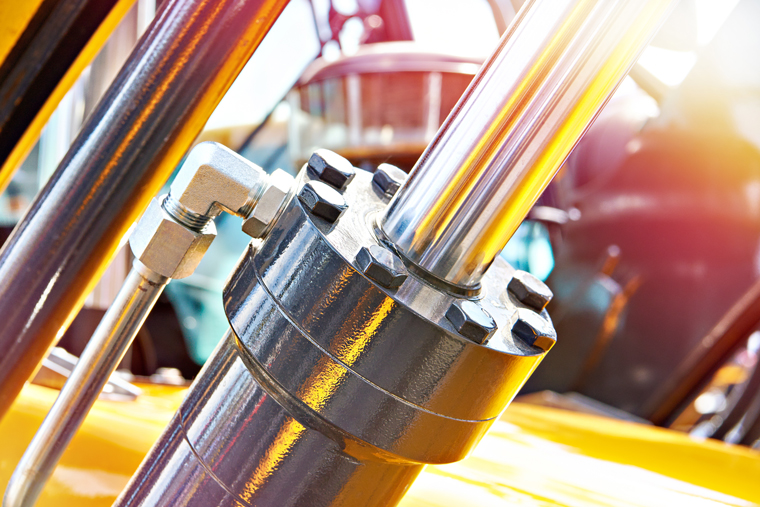
A hydraulic cylinder tube, often referred to simply as a cylinder tube, is a seamless, precision-engineered tube that forms the body of a hydraulic cylinder. It houses the piston and piston rod, enabling the conversion of fluid power into linear mechanical force. The tube must withstand high pressure and resist wear and corrosion, ensuring the smooth operation of the hydraulic system.
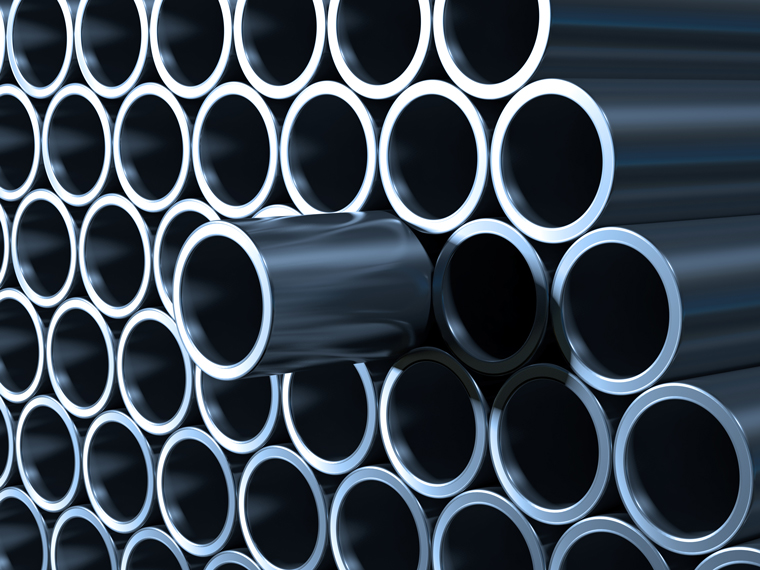
Understanding the specifications of hydraulic cylinder tubes is crucial for selecting the right tube for your application. Let's explore the key specifications:
The material composition of a hydraulic tube determines its strength, durability, and resistance to wear and corrosion. Common materials include:
Carbon Steel: Known for its strength and affordability, carbon steel is a popular choice for hydraulic cylinder tubes. However, it requires protective coatings to enhance corrosion resistance.
Stainless Steel: Stainless steel offers excellent corrosion resistance, making it ideal for harsh environments. It is commonly used in applications where exposure to moisture or corrosive substances is a concern.
Alloy Steel: Alloy steels, such as chrome-molybdenum steel, provide enhanced strength and wear resistance, making them suitable for high-pressure applications.
The dimensions of a hydraulic cylinder tube, specifically the inner and outer diameters, are critical for ensuring compatibility with other components. The inner diameter determines the size of the piston that can be housed within the tube, while the outer diameter affects the overall size of the cylinder. Precision in these measurements is essential to avoid leakage and ensure efficient operation.
The wall thickness of a hydraulic cylinder tube directly impacts its ability to withstand pressure. Thicker walls provide greater strength and durability, but they also add weight to the cylinder. Balancing wall thickness with the specific requirements of your application is crucial for optimal performance.
The surface finish of a hydraulic cylinder tube affects its friction characteristics and wear resistance. A smooth surface finish reduces friction, enhancing the efficiency of the hydraulic system. Common surface finishes include:
Honed Finish: Honing involves removing a small layer from the inner surface of the tube, resulting in a smooth finish. This process improves sealing capabilities and reduces wear on the piston seals.
Skived and Roller Burnished Finish: This process combines skiving, which removes material from the tube's surface, with roller burnishing to achieve a high-quality finish. It enhances the tube's surface hardness and improves resistance to wear.
Understanding the manufacturing processes of hydraulic cylinder tubes provides insight into their quality and performance characteristics. The two primary methods are:
Seamless tube manufacturing involves creating tubes without any welded seams. This process enhances the strength and reliability of the tube, making it suitable for high-pressure applications. Seamless tubes are produced by piercing a solid billet, followed by a series of rolling and finishing processes to achieve the desired dimensions and surface finish.
Welded tube manufacturing involves forming a tube from a flat strip of metal, which is then welded along its length. While welded tubes are generally more cost-effective, they may not offer the same level of strength and pressure resistance as seamless tubes. They are suitable for applications with lower pressure requirements.
Selecting the right hydraulic cylinder tube involves considering various factors to ensure optimal performance and longevity:
Evaluate the specific requirements of your application, including the operating pressure, environmental conditions, and the type of hydraulic fluid used. This information will guide you in selecting the appropriate material and dimensions for the cylinder tube.
Ensure that the hydraulic cylinder tube is compatible with other components in the system, such as the piston, seals, and end caps. Compatibility ensures efficient operation and minimizes the risk of leakage or component failure.
Look for hydraulic cylinder tubes that adhere to industry quality standards and certifications. Compliance with standards such as ISO 9001 ensures that the tubes meet stringent quality and performance criteria.
As a supplier, stockiest, exporter and manufacturer, we provide these pipes and tubes in custom-built thicknesses and sizes according to exact requirements of our well-regarded patrons.
https://www.czchengxin.com/hydraulic-cylinder-tube.html
In conclusion, understanding hydraulic cylinder tube specifications is crucial for selecting the right components for your hydraulic system. By considering factors such as material composition, dimensions, surface finish, and manufacturing processes, you can ensure optimal performance and reliability. Whether you are designing a new system or maintaining an existing one, a thorough understanding of these specifications will empower you to make informed decisions and achieve superior results in your hydraulic applications.
Hydraulic cylinder tubes, with their precise specifications and manufacturing excellence, are the backbone of efficient hydraulic systems. By prioritizing quality and compatibility, you can harness the full potential of hydraulic technology and drive success in your industrial endeavors.